In 1979, “London Calling” became a landmark work of punk rock, transforming the musical landscape. This single, performed by The Clash, was not only a thrilling sonic spectacle but also a political and social statement, expressing a fierce rebellion against the social status quo through its distinctive musical style and profound lyrics. Widely considered the epitome of the punk spirit, the song expresses both anger at traditional culture and society and a deep concern for the future. As one of the defining works of punk music, it is both a cultural phenomenon and the voice of a social movement.
1. “London is Sinking” – A Warning of the End of the World
The Clash, formed by Joe Strummer and Mick Jones, quickly became pioneers of British punk music. Their lyrics were blunt, violent, and full of social critique. The opening line of “London Calling,” “London is sinking,” was a powerful response to the turmoil in British society and global politics at the time. It not only revealed the severity of the economic crisis and political corruption but also hinted at a profound fear for the future.
The warning “London is Sinking” symbolizes the collapse of the city and nation’s economic and social fabric. Set in the late 1970s, Britain was experiencing a profound social crisis, including high unemployment, rampant inflation, political instability, and the specter of global nuclear war. Against this backdrop, Strummer conveys his anxiety about the future and his anger at the inability to bring about change.
2. Musical innovation: the fusion of reggae and punk
While “London Calling” carries a strong social message, its musical style is equally noteworthy. The song blends the immediacy of punk with the rhythmic feel of reggae. The reggae bass and groove add a strong sense of groove and rebellion to the song, while the fury of punk guitar imbues the song with a sense of tension and oppression.
This cross-genre innovation wasn’t simply a pursuit of new musical elements; it reflected The Clash’s embrace and exploration of diverse cultures. Reggae, a Jamaican musical genre with deep roots in immigrant communities in the UK, was particularly influential. The Clash combined it with their own punk culture to showcase a spirit of social critique within a globalized world.
3. Lyrics: From Economic Crisis to Nuclear Fear
The lyrics of “London Calling” are filled with real-world warnings. They not only address the vicious cycle of economic crisis but also delve into the threat of nuclear war. This threat isn’t simply a geopolitical struggle; it’s humanity’s fragility and powerlessness in the face of modern technology. In the song, Strummer issues a powerful warning, attempting to awaken people to the crisis in our social fabric.
For example, the lyrics mention “plague, fighting, and suicide.” While these words are blunt, they depict a society on the verge of collapse. Strummer’s lyrics do not shy away from the anxieties and fears of the time; instead, they call people to confront these realities in an almost violent way.
4. Cover Design: A Symbol of Rebellion
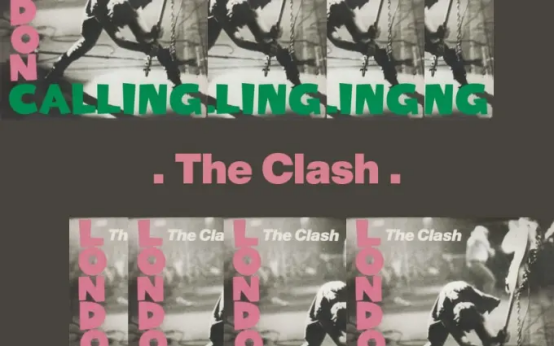
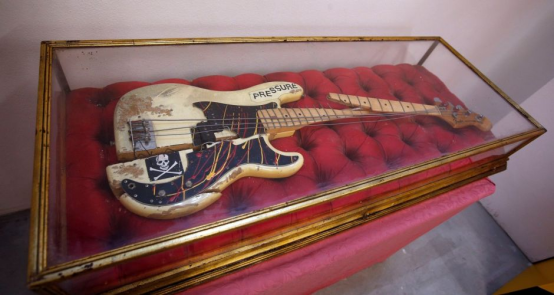
The album cover for “London Calling” is equally brimming with rebellious spirit. It mimics the design of the classic Elvis Presley album, “Elvis Presley,” but with a striking subversion in the details: instead of Elvis, it features Paul Simonon smashing his guitar on stage. The guitar’s impact on the ground resonates with a force of violence and liberation. This visual impact embodies the rebellious spirit espoused by The Clash.
Even more striking is the message “Don’t Buy This Record” printed on the cover. This deliberate counter-marketing not only criticizes the commercialized music industry but also conveys the independent spirit of punk music. It refuses to compromise for commercial purposes and calls on listeners to independently consider the meaning and value behind the music.
5. Cultural influence and symbol of the times
“London Calling” is more than just a song; it symbolizes the entire punk movement. Through this album and this single, The Clash successfully elevated punk from a chaotic street scene into an art form steeped in social critique. Punk was no longer simply an outlet for anger; it became a profound reflection on the current state of society and a warning for the future.
The song became a classic of rebellious culture and a symbol of how punk bands could convey broader sociopolitical messages through their music. It inspired a generation of cultural influences and became a global symbol of protest against political oppression and social injustice.
6. Conclusion
“London Calling” was a punk revolution, breaking the boundaries of music, transforming it into more than just a tool for entertainment, but also a means of social commentary and cultural expression. Listening to it today, it still inspires us to reflect deeply on social realities and be vigilant about the future. This song doesn’t just belong to 1979; it belongs to rebels of every era, and to every voice that dares to use music to express discontent and a desire for change.
The Clash’s “London Calling” not only conveys a warning of doomsday, but also a desire for change in the future. It proves that even a three-minute song can carry the cry of the times.