
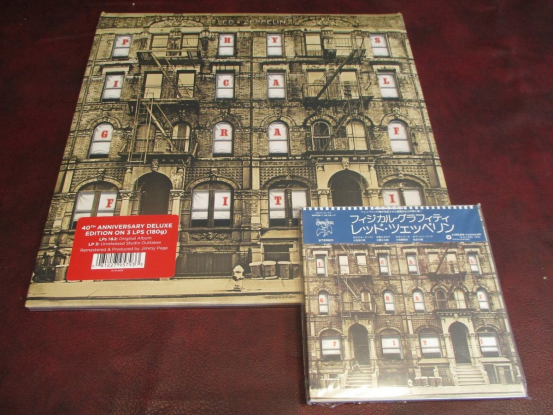
“Kashmir,” a shining gem from Led Zeppelin’s 1975 album, Physical Graffiti, spans eight minutes and is steeped in a sense of vastness, transcending time and space. The song lacks a traditional chorus, but through its unique melody, rich arrangement, and profound lyrics, it evokes the feeling of a journey through the desert. It blends Middle Eastern influences, Eastern melodies, and the epic feel of rock, creating a vast aural landscape that almost evokes images of desert smoke and caravans.
For the members of Led Zeppelin, “Kashmir” is considered their “best work.” Furthermore, the song’s influence extends far beyond the realm of rock music, with even Oasis’ “Wonderwall” acknowledging its melody as inspiration. It remains an essential cultural symbol in rock history, imbued with a sense of mystery and legend.
1. Epic without chorus: innovation in melody and structure
“Kashmir” lacks a traditional chorus, a rarity in pop music at the time. Typically, the chorus is the most catchy part of a song and a central element in its structure. However, Led Zeppelin didn’t rely on the chorus to propel the song’s emotion and power. Instead, they used a repetitive melodic line and sophisticated arrangement to create a musical experience filled with tension and layers of meaning.
From the beginning of the song, John Paul Jones’s keyboard and guitar create a psychedelic atmosphere, while Jimmy Page’s guitar presents a mysterious and distant melody, as if leading us into an exotic desert world. Robert Plant’s voice follows closely behind, his singing with a sense of nomadic chanting, as if he is telling an ancient legend.
2. Middle Eastern melodies and epic arrangements: desert and journey
The melody of “Kashmir” is deeply influenced by Middle Eastern and Asian music, particularly its rhythmic lines, which evoke long journeys through the desert, imbued with an exotic and mysterious aura. Jimmy Page and John Paul Jones, on guitar and keyboard, incorporate numerous irregular rhythms and melodies, creating a symbolic “desert feeling.” This is more than a simple regional musical style; through its intricate arrangements, it successfully creates an awe-inspiring and magnificent scene.
John Bonham’s drums, like the steady and powerful footsteps of a nomadic caravan, seem to narrate a difficult journey across the desert. Each drumbeat is deeply rooted in the sand, embodying the caravan’s resolute strides across the desolate landscape. This textured beat, combined with the melody’s Middle Eastern influences, imbues the song with a mysterious and ancient atmosphere.
Furthermore, the orchestral elements used in the arrangement further enhance the song’s epic feel, making it more than just a rock song, but more like an epic film full of adventure and exploration. The lack of a chorus also makes the song’s emotional progression more natural, as if the listener is transported to a distant place, following the melody and rhythm step by step across this vast desert.
3. Robert Plant’s singing: the chant of nomads
Robert Plant’s vocals on “Kashmir” showcase his unique vocal style. Unlike traditional rock singers, his vocals possess a melodious, chanting quality, reminiscent of a nomadic storyteller. In his voice, we hear not only a collision of power and emotion, but also a sense of the emotional tension of the wilderness, the desert, and the endless journey.
The lyrics perfectly align with this nomadic theme. Plant sings, “Oh, let the sun beat down upon my face, / Stars to guide me home,” as if he were a traveler traversing the desert, relying on the stars and the sun to guide him home. The philosophical nature of the lyrics complements Plant’s performance, imbuing the song with a sense of mystery and adventure.
4. Sandstorm-like guitar and drum beats: the power of rock
Jimmy Page’s guitar on “Kashmir” showcases his unparalleled creative talent. The melody, like a distant sandstorm, carries an undeniable power and momentum. The combination of guitar and drums, in particular, creates a massive wall of sound, leaving the listener feeling both oppressive and powerful. The repetitive guitar riffs permeate the entire song, drawing the listener into a journey of continuous, unending progress.
John Bonham’s drums are the rhythmic core of the entire song. Their powerful and precise beats resemble the tenacious and unyielding strides of a caravan across the desert. In this song, Bonham’s drums not only provide rhythmic support but also become a vehicle for emotion, conveying the power and conflict within the song.
5. The symbol of epic and the soul of rock
“Kashmir” is more than just a Led Zeppelin rock song; it’s practically one of the most epic pieces of music in rock history. Through its ingenious melodic arrangement, complex rhythmic shifts, and profound lyrics, the song creates a sense of transcendence, transcending time and space. It transports the listener to a journey through the desert, a journey of emptiness, loneliness, and determination.
The song’s influence extends beyond rock music. Oasis’ Wonderwall publicly stated that the melody of “Kashmir” had a profound influence on them. Even for many subsequent rock bands, Led Zeppelin’s “Kashmir” has become a symbol of the band’s pursuit of musical innovation and artistic expression.
6. Summary: Eternal Desert Legend
“Kashmir” is Led Zeppelin’s pinnacle of achievement. Its unparalleled arrangement, unique melody, and profound lyrics have made it a shining jewel in rock history. More than just a pinnacle of rock music, this song is a timeless desert epic, a story of exploration, perseverance, and endless journeys.
Through “Kashmir,” Led Zeppelin demonstrated the vast boundaries of rock music, transcending not only traditional structures but also cultural and regional boundaries, seamlessly combining Middle Eastern melodies, the power of rock, and epic emotion. Its musical journey, like a desert trek filled with mystery and awe, will remain forever etched in the hearts of every fan.