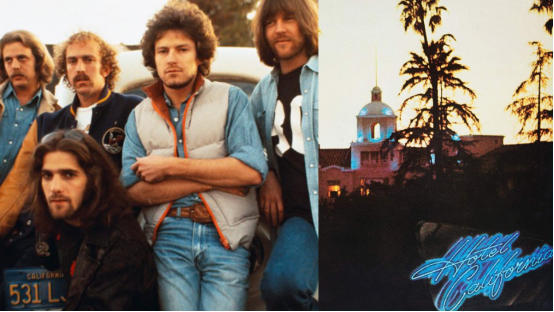
“You can check out anytime, but you can never leave.” These lyrics from the Eagles’ classic song “Hotel California” seem like an enduring mystery, captivating countless fans and critics alike. Released in 1976, this single holds a pivotal place in rock history, its mystical atmosphere and profound symbolism leading to ongoing debate about its profound meaning. The Hotel California in the song is more than a literal place; it serves as a metaphor, a reflection on the American Dream and a critique of psychedelic culture and decadent lifestyles.
1. The Strange Hotel: A Metaphor for the American Dream
“Hotel California” reveals a profound questioning of the American Dream through the story of a traveler’s bizarre experiences in a seemingly luxurious hotel. The hotel, called “Hotel California,” represents a seemingly perfect ideal life—luxury, freedom, and a carefree existence. However, this superficial prosperity and allure conceals an inescapable trap. The line “You can check out anytime, but you can never leave” is a sardonic satire on the American Dream, reminding us that in the pursuit of personal freedom and success, we can lose ourselves and ultimately fall into an inescapable predicament.
This hotel is more than just a physical space; it symbolizes the anxiety of pursuing material pleasures and fame in modern society. When people pursue excessive material comforts, their spirit and morality gradually erode, ultimately trapping them in this seemingly “perfect” dream. Just like the narrator in the song, he enters the hotel expecting to find solace and a sense of belonging, only to find himself trapped in a situation with no escape.
2. Double Guitar Solo: California Psychedelic and Decadence
A highlight of “Hotel California” is its iconic dual guitar solo, particularly the parts played by Don Felder and Joe Walsh, which have become classics in rock history. The interweaving of guitar melodies, like a psychedelic soundscape, vividly contrasts the sunshine and passion of California with the inner emptiness and decadence. The layering and shifting of guitar notes symbolize the fluctuations and contradictions of emotions, both a joyous exterior and a gloomy interior.
Especially at the climax of the song, Felder and Walsh’s guitar solos alternate, sometimes soft, sometimes fierce, as if telling the story of a person wandering between the beautiful California landscape and his inner struggle. This contrast in sound reflects the core theme of the song – the huge contrast between superficial prosperity and inner emptiness.
3. Symbols in the hotel: mysterious and decadent scenes
“Hotel California” is not only captivating musically, but also deeply contemplative through its lyrics and symbolism within the music video. The song opens with the narrator describing driving into a hotel—a hotel that seems so perfect, almost bewildering. Within this seemingly peaceful scene, the background music gradually develops a sense of unease. The description of the “dimly lit” room and the disembodied faces around him evokes a sense of unreality.
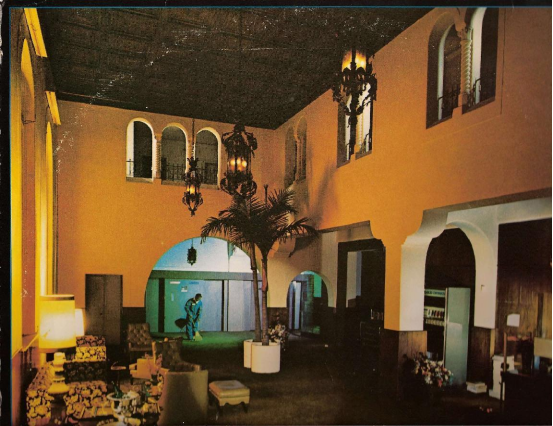
The retro hotel in the music video, with its walls covered in paintings and the dazed patrons in the bar, is filled with symbols of decadence. The characters, drinking, smoking, and indulging in entertainment, seem like a metaphor for the superficial prosperity of American society, yet its underlying emptiness and decadence. They hint at the endless pursuit of consumerism and the spiritual emptiness that comes from losing oneself on this path.
4. California Psychedelic Culture and the 1970s
In the 1970s, the United States was undergoing dramatic social and cultural change. Rock music, as a representative cultural force of this period, carried the mission of social critique and self-expression. California, the birthplace of psychedelic culture, attracted a large number of young people seeking freedom and self-expression. It is against this backdrop that “Hotel California” becomes a profound reflection on that period. It reveals the dilemma of society at the time: how to prevent oneself from being lost in the endless world of desire and illusion in the pursuit of personal freedom and dreams.
The song’s use of words like “colitas” (a Spanish term often referring to marijuana) and “wine” also alludes to the psychedelic culture of the time. While seemingly seeking meaning through freedom, enjoyment, and exploration, it was also rife with temptation, hallucinations, and spiritual loss. Through these details, Eagles seems to be reminding people that excessive self-indulgence and the pursuit of sensual pleasures can have inescapable consequences.
5. A puzzle that continues to be solved
Despite being released nearly fifty years ago, the meaning and symbolism of “Hotel California” remain a matter of debate. Many interpret the song as a critique of the American Dream, while others see it as a reflection on psychedelic culture and the rebellious spirit of the 1960s. Still others see it as a story of a deeply lost soul, with the hotel itself representing a state of mind.
Regardless of the interpretation, the song reveals profound social significance and philosophical reflection. More than just a rock anthem, it’s a profound reflection on freedom, desire, loss, and redemption. As time passes, “Hotel California” continues to resonate with listeners, its enigma seemingly unresolved. Yet, it’s precisely this unresolved mystery that makes it one of rock’s most captivating and influential classics.
6. Conclusion: The Eternal “Hotel California”
“Hotel California” is not only one of the Eagles’ signature works, but also a monument in the history of rock music. Its complex musical structure, profound lyrics, and elusive symbolism have made it a beloved classic for many rock fans. Whether a metaphor for the American Dream or a critique of psychedelic culture and decadent living, the Hotel California in the song remains a constant enigma, drawing countless people into its enchanting enchantment while also forcing them to confront the profound dilemmas it presents.
“You can check out anytime, but you can never leave.” This line of lyrics, like the song itself, will always be an unsolvable mystery, always making people reflect and always making people lost.