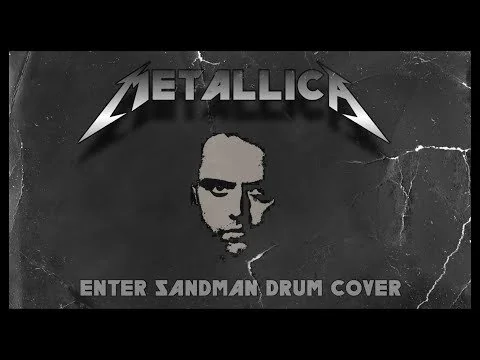
In 1991, Metallica released the single “Enter Sandman,” which not only marked their musical transition from thrash metal to the more broadly appealing mainstream rock, but also injected a fresh and powerful emotional dimension into heavy metal. With its pounding drums, demonic guitar melodies, and poignant depiction of childhood nightmares, the song became a milestone in heavy metal history. It combined the tenderness of a lullaby with darkness, creating a paradoxical aesthetic of “sweetness and terror.” Through this song, Metallica not only opened the way to a wider audience but also exposed heavy metal’s unique appeal in exploring fear, dreams, and the inner darkness.
1. Thrash Metal’s breakthrough to the mainstream
“Enter Sandman,” the lead single from Metallica’s fifth album, Metallica (also known as the Black Album), propelled the band from the vanguard of thrash metal to the pinnacle of mainstream rock. While the Black Album featured a more concise and direct style than its predecessors, “Enter Sandman” retained Metallica’s signature power and energy, while captivating audiences worldwide through its more pop-oriented melodies and evocative production.
Lars Ulrich’s drums, with their steady and percussive rhythm, are like a heartbeat in the darkness, driving the entire piece forward. Kirk Hammett’s guitar riffs are like demonic whispers, imbued with an unsettling atmosphere. James Hetfield’s deep, aggressive voice is perfectly executed in this song, and the lyrics, “Sleep, little one, don’t be afraid of the dark,” cleverly blend lullaby and terrifying dreams, creating a unique charm for the song.
2. The contradictory aesthetics of “sweetness and horror”
Enter Sandman is known for its interpretation of childhood fears, transforming the gentle, soothing lullaby into a heavy metal nightmare filled with fear and unease. Traditionally, lullabies are melodies that lull children to sleep and protect them from darkness and nightmares, but Metallica subverts this image and gives it a darker tone.
The “Sandman” depicted in the song isn’t a figure who brings peace and sweet dreams, but rather an embodiment of darkness, representing the fear and helplessness lurking deep within dreams. Hetfield’s crooning, “Sleep, little one, don’t be afraid of the dark,” while motherly and comforting, simultaneously evokes a sense of oppression and unease, as if you’re not entering a safe slumber but rather being ushered into a dream filled with terrifying visions. The child in the song isn’t enveloped in a “gentle dreamland,” but rather struggling within the vortex of a nightmare.
The song’s music and lyrics form a stark contrast, juxtaposing warmth and coldness, sweetness and fear. It not only expresses memories of childhood but, through these conflicting emotions, reveals the inevitable fears and dark sides within each of us. This contradictory aesthetic of “sweetness and terror” has become an indelible hallmark of “Enter Sandman” within the heavy metal landscape.
3. Playgrounds and Childhood Nightmares: Visual Symbolism in the Music Video
The music video for “Enter Sandman” is equally rich in symbolism, particularly in its visual representation of fear, perfectly complementing the song. The video begins in a child’s dream and transitions to a rotating playground, where a carousel rises and falls, yet everything appears distorted and eerie. These dreamscapes, supposedly a place of childhood joy, are instead filmed as places of unease and fear, as if the safe haven of childhood has been eroded by nightmare.
The amusement park itself is a symbol of contradiction. It’s a beloved playground for children, yet in this video, it becomes a relentless nightmare. The spinning of the rides, the sudden darkness, and the flickering lights make these seemingly harmless scenes strangely eerie. The child in the music video alternates between playing in the amusement park and being swept into a dark dream, a relentless cycle of dreams, unable to escape the deepest fear.
This visual symbol echoes the lyrics, “Go to sleep, little one,” further reinforcing the song’s theme: the tranquility and safety of childhood are often contrasted by invisible fear and darkness. The amusement park, a place never before depicted in such a terrifying light, becomes the embodiment of the hidden source of fear within humanity in the “Enter Sandman” music video.
4. A Symphony of Fear in Lyrics and Music
“Enter Sandman” isn’t just a successful single for Metallica; it also showcases a remarkable musical and lyrical structure. At the song’s opening, Lars Ulrich’s drums, heavy and rhythmic like a heartbeat, gradually build, foreshadowing a descent into darkness. Immediately afterwards, Kirk Hammett’s guitar riff, imbued with a demonic melody, builds tension and sets the stage for Hetfield’s growl.
Hetfield’s voice plays a crucial role in the song, conveying both fairytale comfort and a profound sense of dread. The lyrics themselves are filled with allusions to dreams, each line imbued with unease and anxiety, especially the repeated cry of “Exit light, enter night,” which reinforces the song’s theme: leaving the light and entering darkness.
5. Summary: Fairy Tales and Nightmares in Heavy Metal
“Enter Sandman” is undoubtedly Metallica’s pinnacle, blending lullaby elements with the violence of heavy metal to create a whole new musical experience. In this song, Metallica successfully blends the seemingly opposing elements of “sweetness” and “horror,” creating a unique “dark lullaby” style. Not only is the song musically stunning, but the lyrics and music video also offer a unique interpretation of childhood nightmares and deep-seated fears.
It’s not only Metallica’s masterpiece, but also a classic in heavy metal music. With its unparalleled power, profound emotional depth, and terrifying visuals, it has become a dark fairytale in the hearts of a generation. In the melody of this song, we seem to hear whispers in the darkness and feel the chill of a deep nightmare. This is the irreplaceable charm of “Enter Sandman.”