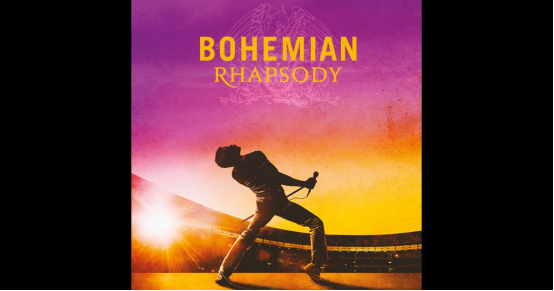
In 1975, Queen released their classic single “Bohemian Rhapsody.” This six-minute oddity broke the limitations of single length and structure at the time, becoming a milestone in rock music history. Its complex and varied arrangement, lack of a traditional chorus, unique fusion of opera and hard rock, and surreal lyrics not only shocked fans but also left critics and radio stations speechless.
A work that subverts tradition
When “Bohemian Rhapsody” first came out, it was considered an almost impossible “monstrosity.” Its length far exceeded the standards for mainstream singles at the time, and many radio stations refused to play it, arguing that it was too long and didn’t fit the traditional single format. However, this “non-mainstream” label didn’t affect its widespread popularity, instead making it one of the most iconic works in rock history.
Freddie Mercury’s creative genius is evident not only in the song’s melody and lyrics, but also in his bold use of his voice. From gentle crooning to fierce roaring, his voice spans over four octaves, showcasing a rich tapestry of emotion. This dramatic delivery, in keeping with Queen’s signature performance style, imbues the song with extraordinary expressiveness.
Lyrics and Themes
The lyrics of “Bohemian Rhapsody” are filled with surreal metaphors and complex symbolism. The protagonist in the song seems to be struggling with the situation of facing death and judgment, and Freddie Mercury’s own exploration of death, sin and confession makes the whole song full of tragic atmosphere.
The opening line, “Is this the real life? Is this just fantasy?”, is filled with contradiction and doubt, seemingly hinting at the blurring of the lines between reality and fiction. The song’s later verses, featuring operatic words like “Galileo” and “Scaramouche,” are highly symbolic, potentially representing profound reflections on freedom, fate, and life’s choices. The lyrics’ multifaceted meaning continues to spark discussion and interpretation among fans and critics alike.
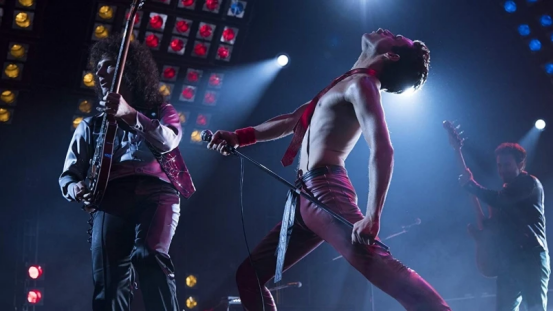
Musical innovation
“Bohemian Rhapsody” wasn’t just a song; it was a musical revolution, seamlessly combining elements from different styles and breaking the mold of traditional rock singles.
Multi-section structure: The song doesn’t follow the traditional “verse-chorus-verse” structure. Instead, it’s divided into multiple sections: from a gentle piano melody to intense hard rock, then to an operatic chorus, and finally to a soulful slow song. Each section is distinct in style, yet they blend naturally together to create a unique musical flow.
fusion showcases the extraordinary creative power and musical experimentation of Freddie Mercury and the band.
Production and Performance: A signature work of Queen, “Bohemian Rhapsody” also boasts remarkable innovations in production. The band employed multi-track recording techniques, showcasing Brian May’s guitar talent through layered harmonies and intricate guitar playing. Every musical detail was meticulously crafted, resulting in a work that still resonates today.
Commercial and cultural impact
Although initially rejected by radio, “Bohemian Rhapsody” quickly climbed to the top of the UK Singles Chart upon its release and became a huge hit worldwide. Not only did it repeatedly top the music charts, it also became a cultural symbol for many fans of the film and music industry.
In 1975, it became one of the best-selling singles in UK history and topped the charts in many countries. In 2004, Rolling Stone magazine named it “one of the greatest songs of all time,” and the release of the 2018 film “Bohemian Rhapsody” once again reminded the world of this immortal classic.
Why is Bohemian Rhapsody immortal?
“Bohemian Rhapsody” has become a rock legend not only for its innovation but also for its unsurpassed emotional depth and artistic expression. Freddie Mercury’s incomparable voice conveys his inner struggle and pain, and his performance connects with every listener. The band’s bold experimentation with diverse musical styles creates an unprecedented auditory feast.
To this day, “Bohemian Rhapsody” remains a rock classic, transcending time and resonating with music fans of all generations. More than just a song, it’s the ultimate expression of the fusion of art and music, a reflection of Queen’s boundless exploration and challenge of music, a defiance of all limitations and conventions.
Conclusion
“Bohemian Rhapsody” is a work imbued with experimental spirit and artistic pursuit. Queen offers us an audiovisual feast that transcends musical styles and emotions. It not only breaks down traditional musical structures but also invites a re-examination of the infinite possibilities of music as an art form. At the time, it was a “freak,” but it was precisely this “freak” that made it a timeless classic in rock history.
Whether you’re a longtime rock fan or a new fan, the spirit of Queen’s “Bohemian Rhapsody” will resonate deeply with you. This song will undoubtedly remain an indelible part of music history.