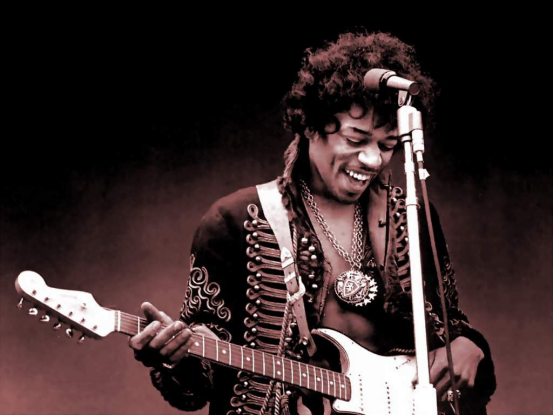
Jimi Hendrix’s cover of Bob Dylan’s classic ballad “All Along the Watchtower” is a legendary piece in rock history. In 1968, Hendrix transformed this originally tranquil, slightly mysterious ballad into a pinnacle of psychedelic rock, fundamentally changing the face of music. Using a unique wah-wah effect, he imbued the guitar tone with an almost human-like wail, while the intense, improvisational guitar solos thunder and lightning. This near-apocalyptic interpretation imbues the lyrics, already brimming with mystery and loneliness, with a heightened sense of tension and history, as if in a crumbling world, people await an unknown fate atop a “watchtower.”
Hendrix’s cover wasn’t just a tribute to Dylan’s work; it revitalized the original’s meaning and emotion. Even more astonishingly, Dylan himself later incorporated Hendrix’s style into his renditions of the song, proving that a great cover can breathe new life into a song.
1. Originals and Covers: From Folk to Rock
Bob Dylan’s “All Along the Watchtower” first appeared on his 1967 album, John Wesley Harding. In Dylan’s original version, the song is steeped in folk and country influences, and its lyrics are rich with metaphor, depicting a lonely watchman and the desolate world he observes. The song is simple and subtle, yet a profound sense of loneliness is evident in every line.
Jimi Hendrix’s cover imbues the song with a completely different kind of power. Hendrix opted for a more intense, psychedelic arrangement, incorporating classic rock elements—powerful guitar and electronic effects. His rendition, particularly the signature wah-wah guitar solo, transports the listener to a shattered world, creating an almost apocalyptic atmosphere. This contrast imbues the original sense of loneliness and waiting with a new urgency and turmoil, almost as if prophesying an impending collapse.
2. A Revolution in Guitar Tone: The Peak of Wah-wah and Improvisational Solo
Hendrix’s signature guitar tone is one of the keys to making “All Along the Watchtower” a psychedelic rock classic. He used a wah-wah effect to create a sound almost like human weeping, a distorted tone that speaks of both profound emotion and a silent protest against reality. The use of the wah-wah effect imbues the song’s guitar playing with emotional tension, creating a powerful interplay of reality and illusion, conveying both a cold sense of detachment and an inexpressible emotional turmoil.
Furthermore, Hendrix’s improvisational guitar solos imbue the song with a new level of impact. These rapid, deafening solos are like thunder and lightning, their explosive force contrasting sharply with the lyrics. Especially at the song’s climax, the urgency and intensity of the guitars seem to express despair and resistance against the desolate world symbolized by the “Watchtower.” Each twitch of the guitar feels like a tearing apart of reality, and these notes continuously assault the listener’s senses, propelling the song into an almost unbearable tension.
3. A sense of doom and loneliness: the emotional deepening of the lyrics
The lyrics of “All Along the Watchtower” are inherently filled with mystery and metaphor. In the original work, Dylan uses simple language to depict a lone watchman and the people he observes—those who want to escape their predicament but are unable to do so. The lyrics, “Two knights stand on the watchtower, a cold wind blows,” create a scene brimming with loneliness, mystery, and even oppression, imbued with a sense of foreboding and anticipation of doom.
Hendrix’s arrangement and guitar playing further intensify this sense of apocalypse. The loneliness and waiting in the original take on a new urgency and turmoil in Hendrix’s version. The dramatic ups and downs of the guitar and the intense solos seem to breathe new life into the characters in the song—they are no longer simply waiting, but swept into an unstoppable storm, filled with powerless struggle and fear of the unknown future.
4. Influence and reversal: Dylan’s reinterpretation of “Watchtower”
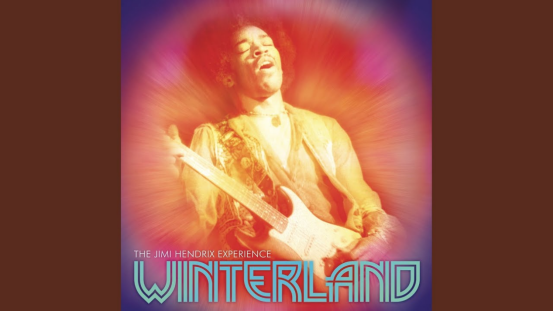
Hendrix’s version of the song had an impact beyond many people’s expectations. Dylan himself gradually began to incorporate Hendrix’s style in his later renditions. He himself mentioned in interviews how deeply inspired he was by Hendrix’s version, so much so that he began incorporating guitar elements from Hendrix’s version into his later performances, even incorporating Hendrix’s influence in the sound effects and arrangements. This transcendence of creative boundaries demonstrates how a great cover can transform the original work and breathe new life into it.
Dylan’s acceptance of Hendrix’s adaptation is the greatest affirmation of his work. From its origins as a folk song to rock and back to folk, Hendrix’s “All Along the Watchtower” demonstrates how music can take on new meanings and emotions through an artist’s interpretation, personal style, and innovation.
5. Conclusion: The Greatness of Covers and Re-creation
Jimi Hendrix’s “All Along the Watchtower” is a classic cover, not just a simple reproduction of Bob Dylan’s original, but a profound reinvention. Through his unique guitar playing and psychedelic rock arrangement, Hendrix transformed the originally calm, metaphorically rich folk ballad into an epic work imbued with a sense of doom, imbuing the song with a whole new soul. This cover goes beyond simple reproduction, instead expressing a profound understanding and reinvention of the original. It is this power that makes Hendrix’s version of “All Along the Watchtower” one of the greatest covers in rock history, even influencing the original’s creator, Bob Dylan.
The greatness of this song lies not only in the fact that it breaks the boundaries of musical styles, but also in the fact that it shows how covers can become a rebirth in music history.