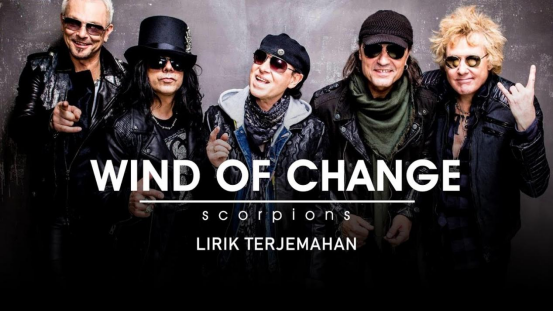
The song “Wind of Change” is different from many emotion-driven songs. It is not derived from personal emotional fluctuations, but is the product of history and the changes of the times. In 1989, the Scorpions were inspired to create this song after witnessing the shocking scenes of the disintegration of the Soviet Union and the fall of the Berlin Wall. At that moment, singer Klaus Meine was deeply moved: “We were in the same boat with all the bands, MTV reporters, and Red Army soldiers,” he recalled in an interview with Rolling Stone magazine. “That was an inspiring moment for me. It was as if the whole world was in the same boat, speaking the same language: music.” This exciting moment made the song “Wind of Change” come into being. It is not just a song, but also the voice of an era.
Songwriting and inspiration
The song was inspired by the band’s experience in Moscow. In 1989, the Scorpions’ tour in Russia allowed them to witness the earth-shaking changes in this land. “From Moscow to Leningrad, we went through ten shows. The changes in Russia in the past twelve months are amazing.” This music festival, called “Soviet Woodstock”, brought people together at a historical moment to witness the end of the Cold War and the dawn of freedom. The band saw crowds of people at the scene, and fans from Siberia to East Germany witnessed this historic moment together. The Iron Curtain, which was once an iron wall, became a window of freedom during these few nights. At that moment, singer Klaus Meine realized that he was witnessing the end of a period of history and the birth of a new hope.
However, despite the song’s promise of the future, the Russian invasion of Ukraine in February 2022 brought this promise of peace and change to an abrupt end. The song originally represented a post-Cold War reconciliation and vision, but its lyrics and emotions changed as the global political situation changed. “Wind of Change” is no longer just a symbol of the past dream, it has also become a call for solidarity with Ukraine and a call for peac

The melody and emotional expression of the song
The song’s musical uniqueness should not be overlooked. Although the Scorpions are known for their hard rock, the melody of “Wind of Change” is unprecedentedly gentle and lyrical. The simple yet recognizable whistle at the beginning is like a breeze, blowing gently and quickly grabbing the listener’s heart. Then, the guitar gently blends in, and the melody is both a little sad and full of infinite hope for the future. This fusion of calm and strength makes people feel the band’s response to social change – it is not only a musical expression, but also an emotional release.
As the song unfolds, Klaus Meine’s voice is full of power, and the emotions of the lyrics gradually heat up, conveying a beautiful vision and desire for the future with a firm belief. “I follow the Moskva, down to Gorky Park” – this lyric once made countless people feel the power of hope and dreams. However, as time goes by, especially in the face of today’s reality, the meaning of these lyrics can’t help but make people feel a little sad and helpless.
The impact and significance of Wind of Change
“Wind of Change” quickly became one of the Scorpions’ biggest commercial successes, and was even hailed as a symbol of the end of the Cold War. Its success was not only due to its inclusion on the music charts of many countries, including climbing to No. 4 on the US Billboard Hot 100, but also because it became a symbol of people’s desire for peace, freedom and change at that time. Everyone who listened to this song seemed to be able to feel the wind of change blowing from Eastern Europe.
However, the significance of this song goes far beyond its musical value. It is closely linked to historical events such as the fall of the Berlin Wall and the disintegration of the Soviet Union, and has become a common memory of Eastern European countries and regions that have experienced historical turning points. Whenever this song is played, it reminds people of that era of hope and change, when the world seemed to have ushered in a brand new beginning.
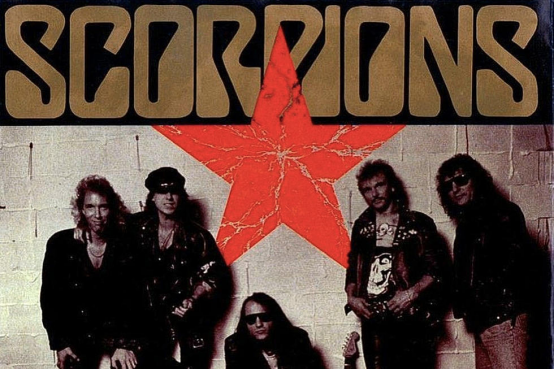
Cultural symbols of Wind of Change
Against the backdrop of the Cold War, the melody and lyrics of this song became a symbol of freedom and unity in the hearts of many people. It is not only a part of rock music history, but also the background music of global political and cultural changes. Today, when we look back on this song, it has long surpassed the music of its time. It is a witness of the times, a note of that period of history, and an expression of our common yearning for peace, freedom and the future.
It is not difficult to find that “Wind of Change” is not only a review of history, but also deeply embedded in people’s emotional sustenance for change and freedom. It represents the passion of that era and also carries our hope for a better future today. In concerts, anniversaries and various historical moments around the world, “Wind of Change” still stands firm and has become an eternal cultural symbol.
Conclusion: Witness of Time and History
“Wind of Change” is a historic rock song that not only occupies a place in the history of rock music, but also leaves a deep mark in the historical process of global political and cultural changes. It symbolizes the freedom and peace of that era and witnesses the great transition of the world from the Cold War to a new era. Today, despite the dramatic changes in the global political situation, this song still reminds us that no matter how the times change, the wind of change will never stop.